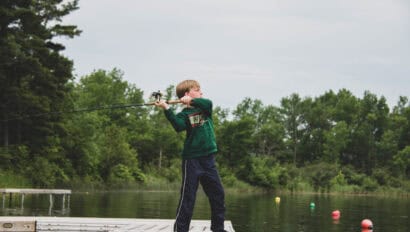
Seven to eight years-old is a critical window for social and emotional growth. Sadly, with the societal pervasiveness of screens, jam-packed family schedules, and diminishing unstructured playtime, this developmental time period is often not capitalized on. Summer camp helps boys take a social and emotional leap. As parents look to provide the best experiences for their children, many ask, “Is my son ready for summer camp?”
Between toddlerhood and teenage years, boys are a whirlwind of growth! They are enthusiastically seeking more independence, their curiosity is heightened, and they are poised to grow in remarkable ways. Attending a two- to four-week residential summer camp provides developmental advantages—far beyond just being pure fun—like fostering confidence, resilience, emotional regulation, and deep-seated independence. Simply put, summer camp provides the ideal opportunity for making the most of this developmental stage of childhood.
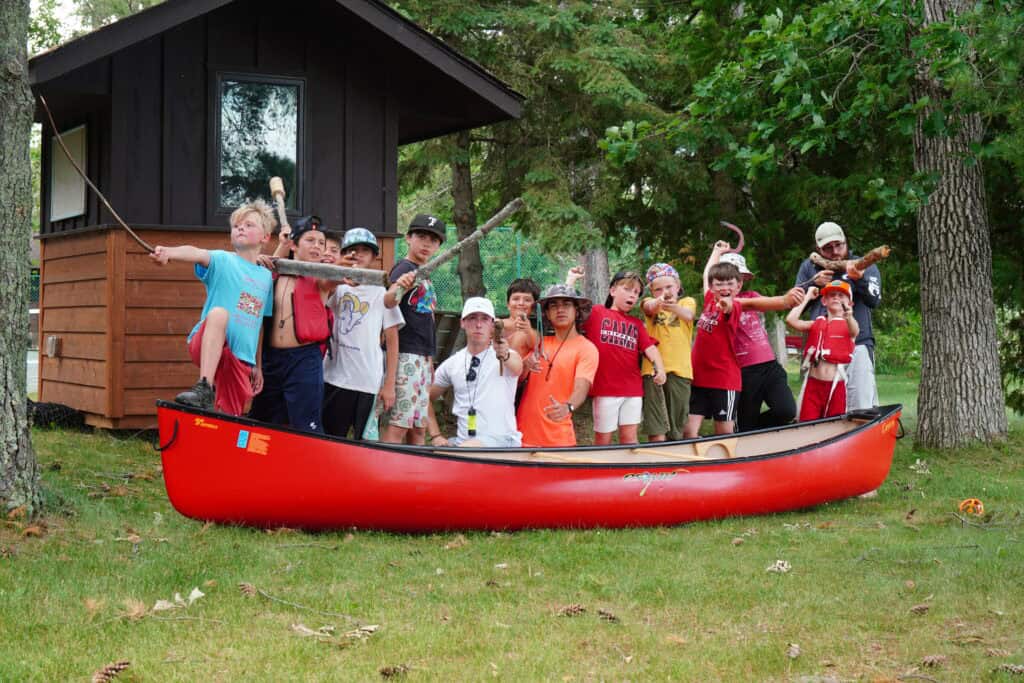
Eight-year-olds are uniquely positioned to thrive at summer camp. Here’s why this timeframe is so important for them, and how you can know that they are ready:
Camp Cultivates Strong Social and Emotional Skills
Age eight is a prime time to learn essential social skills, and the camp environment is designed to foster this positive growth, setting your son up for success in life. Camp is a fresh start, a completely new social environment that encourages boys to practice communication skills with new peers and caring, well-trained adults, often leading to the formation of lifelong friendships.
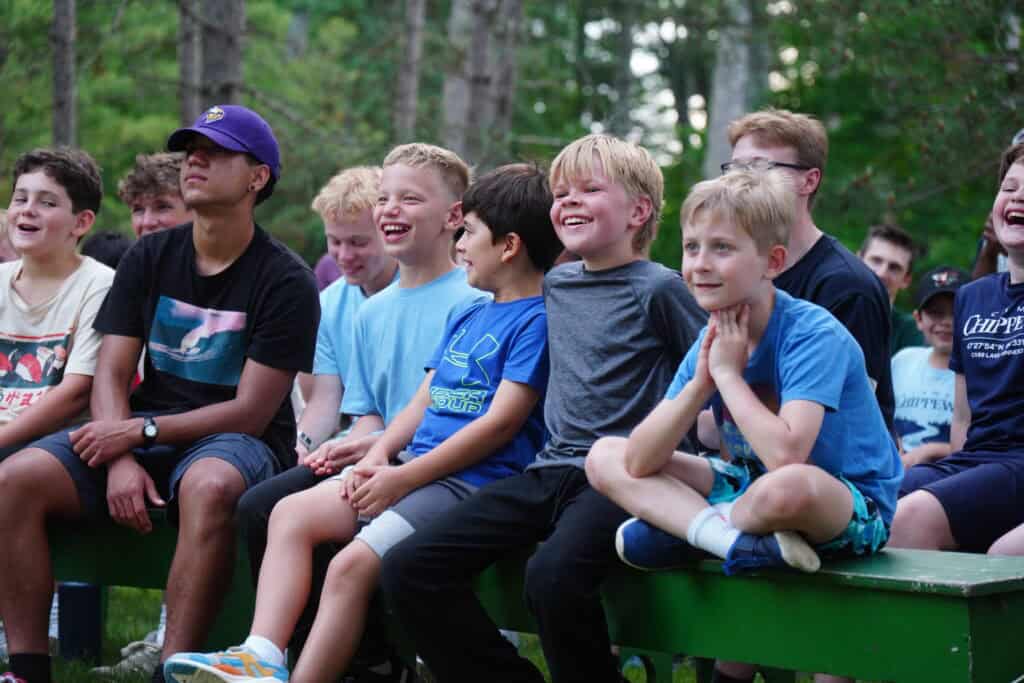
Teamwork is an indispensable skill—used in school, sports, home life, and future careers. At camp, campers get “reps” in social skills every day. Living in a cabin with five other boys from very different homes gives them ample practice for building the skills they need. Daily cabin clean-up, planning a cabin skit, and navigating their first camping trip, build the social muscles in these areas:
- Cooperation and Patience
- Conflict Resolution
- Empathy and Understanding
This powerful growth is reinforced by our exceptional counselors, who serve as ideal role models. At Camp Chippewa, our staff undergoes intensive training from leading youth psychology experts like Dr. Tina Payne Bryson on early childhood brain development and behavioral management—making them true partners in your son’s growth. You will notice the difference when they come home.
Summer Camp is the Ultimate Confidence and Independence Builder
When campers “graduate” from Camp Chippewa, they have become remarkable young men. At 17, they are mentoring younger campers, leading entire days of wilderness canoe trips, cooking over a fire for their cabinmates, and thriving while away from their phones for eight straight weeks. Naturally, they thrive going away to college. They are the models of durable, long-lasting confidence and independence. And where does that development start? In their first years as campers at the age of eight, when they were sleeping away from home, making their own beds, and choosing their own activities each day.
Yes, these first camp experiences can be challenging—let’s face it, boys don’t want to make their bed each day or hang up their wet swimsuit on the clothesline every time they jump in the lake—but these seemingly small acts of self-care lead to profound growth. The simple realization of “I can do this on my own” is the bedrock of self-confidence.
Camp Chippewa is inherently about stepping outside one’s comfort zone and trying new things. Shooting a bow and arrow for the first time, sleeping in a tent, scaling the climbing tower, or even performing on stage (Yes—lip sync performances do “rock” developmentally!) all show our campers they are capable of more than they think. Thanks to a culture of support and encouragement at Chippewa, Camp replaces the fear of failure with the anticipation of trying something new!
- The Development Advantage: Developing confidence and independence early helps boys adapt more easily to new situations, build self-esteem, and tackle future challenges with courage and less anxiety—yes, that is the ideal recipe for thriving in college!
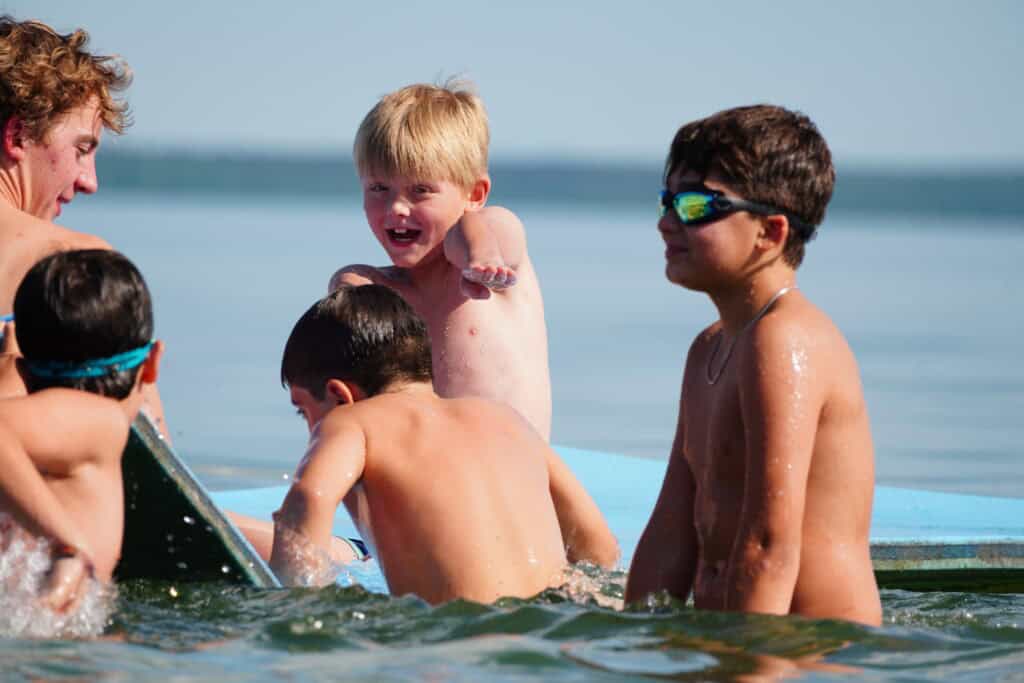
Time Away From Screens Boosts Mental Wellness
Experts are finally agreeing on something summer camps have known for years—removing screens from children’s lives incurs massive benefits. While technology certainly has its place, a summer break from screens gives boys an incredibly beneficial reset for the developing brain.
Unstructured playtime outdoors in nature has been shown to boost creativity, problem-solving skills, and emotional regulation. Time away from devices helps boys learn to entertain themselves, engage in genuine face-to-face conversations, build attention spans and focus, and simply observe the beauty of the world around them.
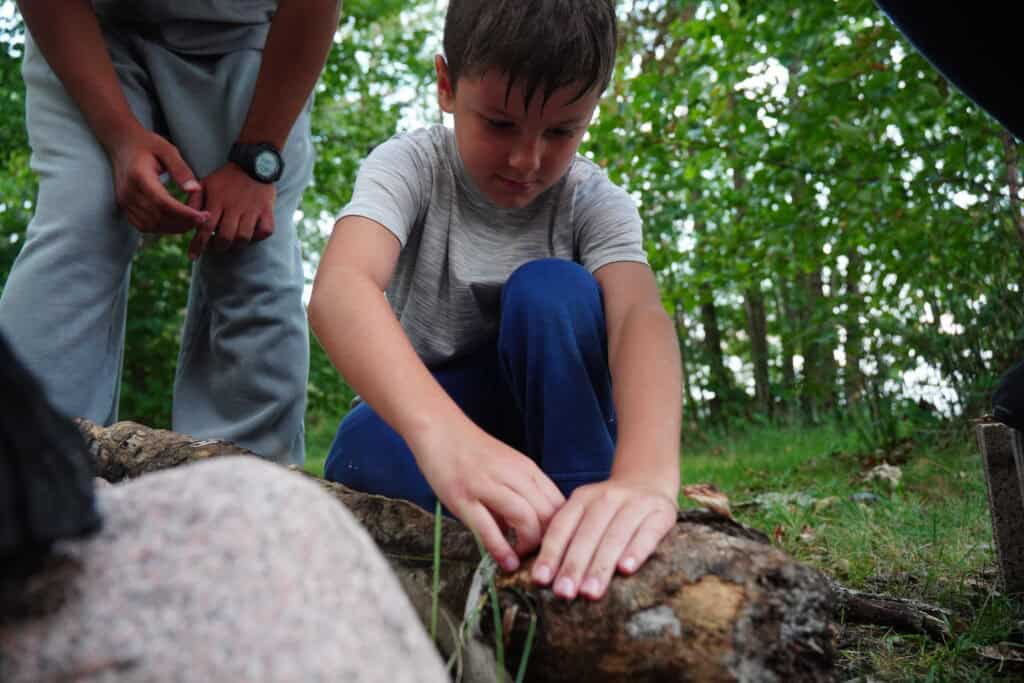
The evidence is clear: again and again we hear from parents how their son returns home calmer, happier, more mature, and noticeably more self-reliant.
Boys Discover New Interests and Lifelong Hobbies
Camp Chippewa is the perfect playground for curious eight-year-olds! Many of the activities offered are simply not available outside of Camp’s unique setting: archery, riflery, canoeing, sailing, fencing, and fire-building are just a few examples.
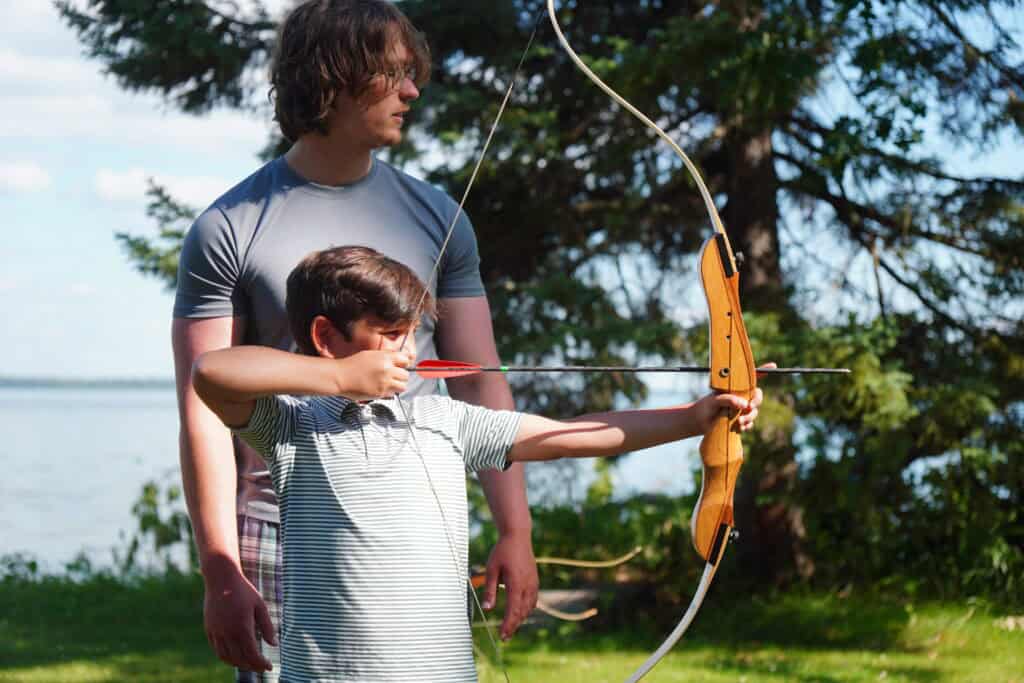
The beauty is that there is zero pressure to “be good” at these activities. Boys can try them purely out of curiosity, and what starts as a simple afternoon trial can quickly turn into a lifelong passion or skill. This exposure to new things is a powerful way for young boys to build confidence and learn to take healthy, productive risks!
How Do I Know If My Son Is Ready For Camp?
The short answer: They are!
The age window from seven to eight years old is marked by significant developmental milestones. In terms of social and emotional growth, boys this age are characterized by the desire to build independence (think seeking new activities and displaying increased willfulness) and prioritize friendships outside the family unit. The essential skills a boy needs are the ability to follow instructions, to dress himself, and to communicate his needs to adults. Even if the idea of going away to summer camp may make them feel apprehensive—and it should, it is a brand-new experience—your son may be giving you signs that he is developmentally ready.
Here are some things to look for:
- Greater desire for independence (can include increased arguing or negotiating)
- Prioritization of friends and friend groups become a priority
- Increased ability to understand other people’s point of view and emotionally self-regulate
- Curiosity in new activities
A lot is changing in a child’s world in their post-toddler and pre-teen years. The key takeaway? This is a critical window of social and emotional growth. For parents to take advantage of it, you need to provide opportunities for healthy separation and self-guided exploration.
If you want your son to:
- Socialize more effectively
- Adapt better in school or sports settings
- Be more willing to try new things
- Develop better routines and follow-through
…then summer camp is an ideal fit. Camp Chippewa is committed to providing the safe, supportive environment necessary for your son to truly grow, thrive, and master essential life skills.
While eight-year-olds are ready for two or four weeks away from home, there is lots you can do to prepare them for that leap. Chances to sleep at friend’s or family member’s homes are excellent practice for going to summer camp. With some confidence and intention on your part, you can jumpstart your son’s development into a thriving adult!
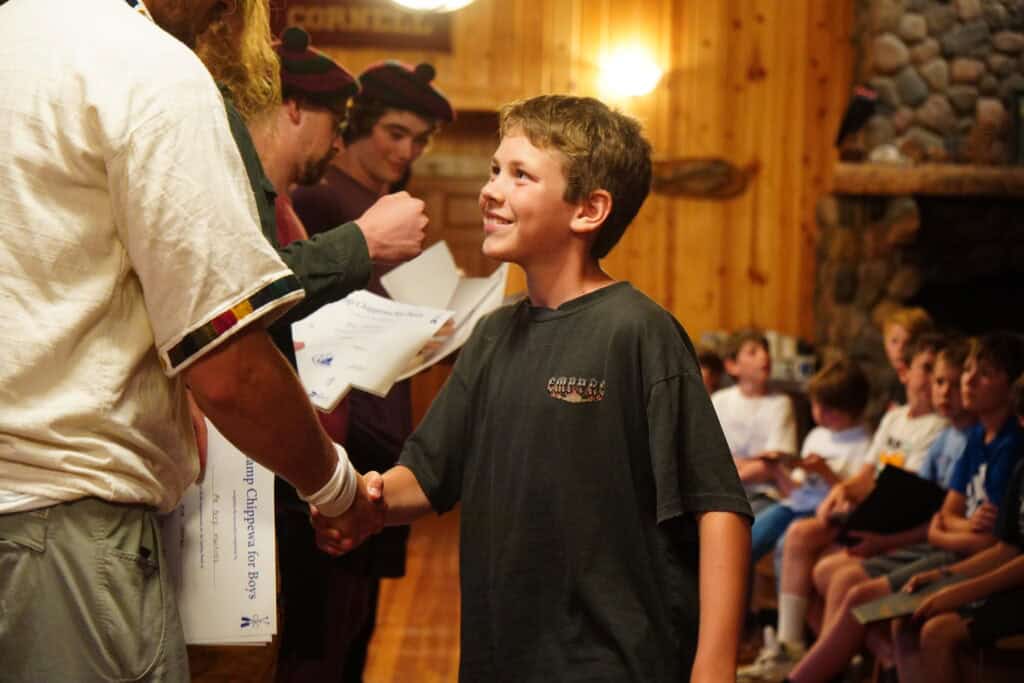
And still, sending your son to summer camp will be a new and perhaps scary experience that can feel like a leap of faith. Please do not hesitate to contact our director to see if Camp Chippewa is the right fit for your son, and answer that all important question of “Is my son ready for summer camp?” You can also read more articles on our blog, like “How a Minnesota Summer Camp Experience Shapes Lifelong Skills for Boys” or “Summer Camp for Boys: Why Choosing an All-boys Camp Matters”.